
1-805-484-2992
Quotes - Engineering - SalesPlate sections for HTST and indirect UHT
An aseptic plate exchanger is the heart of an indirect UHT or extended-shelf-life line: product is heated in regenerative and hot-water sections to 280–285°F for UHT, or lower for extended shelf life, held for 2–6 seconds in a hold tube, cooled in regeneration and then on chilled water, and sent to an aseptic tank or filler without ever meeting air. The same frame at 161–175°F and 15–30 seconds is an HTST pasteurizer. The difference between the two is not the plate; it is the temperature margin left on the gasket, the pressure needed to keep the product liquid, and the sterilization cycle the whole pack sees before every run.
At 285°F water boils at about 38 psig, so the product side of a UHT section runs at 60–100 psig to stay well above saturation, and the hot-water heating circuit runs hotter and higher still. The pack is pre-sterilized with pressurized hot water or steam at 250–275°F for about 30 minutes before product is introduced, every day. The gaskets therefore live at or near their limit on every cycle: standard EPDM, typically 275–300°F, has little or no margin at UHT, so steam-resistant special EPDM compounds are specified for the hot sections.
This page covers the stainless and elastomer specification of those sections. Beyond a viscosity of a few hundred cP, any particulate, or a plant that wants a hard sterile barrier, the plate pack hands over to a tube-in-tube.
316L plates at 0.4–0.5 mm for aseptic sections, because the daily 250–275°F pre-sterilization and the chlorinated final rinse together exceed what 304L tolerates in the gasket groove. See Material & Construction for the grade comparison.
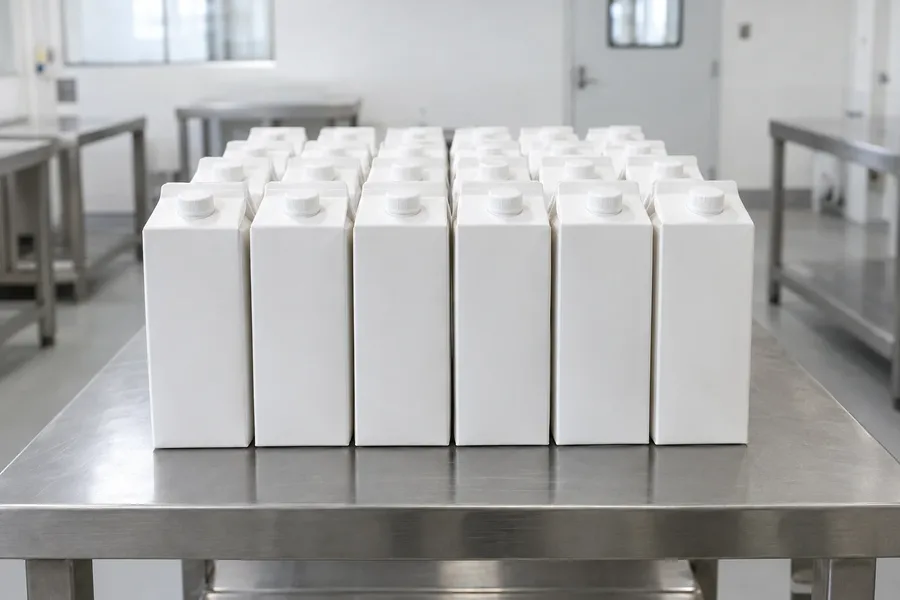
Where an aseptic plate section runs against its limits
- Product at 250–285°F held liquid by 60–100 psig back pressure
- Daily pre-sterilization at 250–275°F for about 30 minutes
- Steam-resistant EPDM rated above the hot-water set point
The sterilizing duty and the plate sections we build for it
An aseptic plate line is specified as a temperature profile with a pressure profile under it, so the left column gives both. The right column lists the stainless and gasket build for each section, with the heating section treated separately because it fouls fastest.
Aseptic plate duty
- Product: Milk, plant milks, cream, nutritional drinks, juices; low solids, under a few hundred cP
- Profile: 40°F in, 250–285°F for 2–6 seconds, 40°F out through regeneration
- Pressure: Product 60–100 psig at the hold tube; sterile side above raw side
- Pre-sterilization: Hot water or steam at 250–275°F, about 30 minutes, every run
- Run length: 4 to 8 hours between CIP cycles at UHT; 8 to 20 at HTST
- Heating medium: Pressurized hot water 5–10°F above product; steam on the water loop
Plate sections we recommend
- Plates: 316L, 0.4–0.5 mm, 32 µin Ra product face; 0.5 mm in the heating section
- Gaskets: Steam-resistant EPDM in heating; standard EPDM elsewhere
- Frame: Stainless clad, 150 psig product side; 300 psig where the hold pressure requires
- Sections: Regeneration, heating, holding tube, regeneration, cooling with connecting plates
- Controls: Pressure differential across regeneration; flow diversion on temperature
- Send us: Product, flow, full profile, hold time, pre-sterilization method, CIP chemicals
Fix the duty
product temperature, hold and back pressure
Rate the gaskets
compound against set point and sterilizing
Check the barrier
plate alloy where sterile product meets utility
Look for pieces
fiber or particulates that need tube-in-tube
Specifying the plate, the gasket and the hand-over point
Gasket temperature margin at UHT
The gasket is the limiting material on an aseptic plate section, not the plate. A UHT product temperature of 280°F needs hot water at about 290°F on the other face, and the pre-sterilization cycle holds the whole pack at 250–275°F every day before the run begins. Standard EPDM, typically rated 275–300°F, survives that, but with so little margin that the gaskets harden and lose compression within a season on a line that sterilizes daily. We specify a steam-resistant special EPDM in the heating sections and leave standard EPDM in the regeneration and cooling sections, which see no more than the product temperature. On an HTST pasteurizer at 161–175°F, EPDM throughout is the right call.
- Steam-resistant special EPDM in the hot sections of a UHT frame
- Standard EPDM, typically 275–300°F, elsewhere and on HTST sections
- Gasket inspection on a fixed schedule, since hardening shows up as sterility loss
Plate grade and the sterile barrier
The plates are 316L because the final step in most aseptic CIP sequences is a chlorinated or peracetic sanitizer, and because dairy and plant-milk products carry enough chloride that a 304L plate groove would pit over years of 275°F cycles. The sterile barrier in a plate pack is pressure, not metal: the sterilized product side is held 1–2 psi above the raw and utility sides so that any gasket weep moves sterile product outward. That is adequate for most UHT dairy lines. Where a plant's hazard analysis demands a physical barrier, a double-wall plate pair or a double tubesheet construction is the answer, and the plate pack is no longer the simplest choice.
The mistake: sterilizing a pack built for pasteurizing
A dairy upgraded an HTST line to extended shelf life by raising the hot-water set point to 290°F and adding a 30 minute hot-water sterilization before each run, on the same EPDM-gasketed pack that had run for years at 165°F. Within two months the heating-section gaskets had taken a permanent set, the pack began to weep at the hot end during sterilization, and the line failed its sterility hold on three consecutive days. The frame and plates were fine. Re-gasketing the hot sections in a steam-resistant EPDM compound and raising the product-side pressure to hold the product liquid at temperature fixed it, which is what the original specification should have carried.
- An HTST pack cannot be run at UHT by changing a set point
- Product-side pressure must stay above saturation at the hold temperature
- Every sterilization cycle counts against gasket life, not just production hours
When the tube-in-tube takes over
A plate section is the most efficient aseptic exchanger on a clean, thin product, and the wrong one on anything else. Viscosity above a few hundred cP, pieces, pulp or fiber of any size, products that foul in under four hours at UHT temperature, and plants that want routine live-steam SIP above 275°F, or with long dwell, all excede what a gasketed pack tolerates. Those lines go to a stainless tube-in-tube with a full-bore product tube, welded product path and no elastomer in the sterile zone, which typically runs several times longer between cleanings on a product that fouls a plate quickly.
Questions on UHT and HTST plate sections
With pressurized hot water or low-pressure steam at 250–275°F for about 30 minutes, yes, and that is how indirect UHT plate lines are pre-sterilized every day. What a gasketed pack does not tolerate is routine SIP at higher steam pressure or longer dwell on the hot sections, which ages even steam-resistant EPDM. If the sterilization specification is above 275°F or more than an hour, the tube-in-tube is the construction to specify.
Because the heating water has to be 5–10°F hotter than the product, and at 285°F product that puts the water at 290–295°F, which boils at atmospheric pressure. The hot-water loop runs at 60–80 psig, heated by a separate stainless shell and tube or another steam-heated exchanger, and the plate frame is rated for that pressure on the utility side as well as the product side.
At UHT temperatures on milk or a nutritional drink, 4 to 8 hours is typical before protein and mineral deposits in the heating section raise the pressure drop and lower the outlet temperature enough to trigger flow diversion. An HTST section on the same product runs 8 to 20 hours. The run length is a sizing input: more plates in the heating section at a smaller temperature difference buys hours before the CIP.
Often yes: a UHT frame with a 100 psig product side and an 80 psig hot-water side is a pressure vessel in most jurisdictions. We design and stamp the frame to ASME Section VIII Div 1 where the plant or the state requires it. Whether an HTST frame needs a stamp depends on the jurisdiction and the design. Tell us the hold pressure and the site, and the quotation states which applies.
Related

Plate & Frame
Food Processing
Multi-section plate pasteurizers for broths, sauce bases, brines and dressings, with the plate grade checked against the salt in the product.
+ Learn More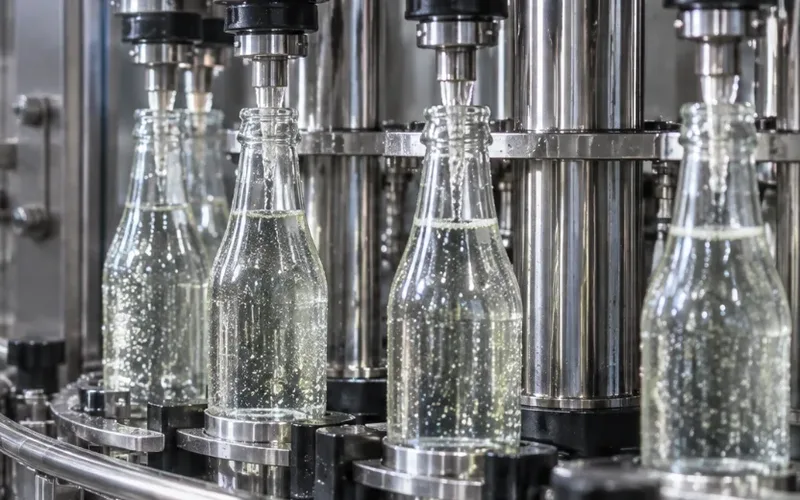
Plate & Frame
Beverage
Plate pasteurizers and chillers for juice, syrup, carbonated water and finished soft drinks, with acid, sugar and citrus oil driving the gasket choice.
+ Learn More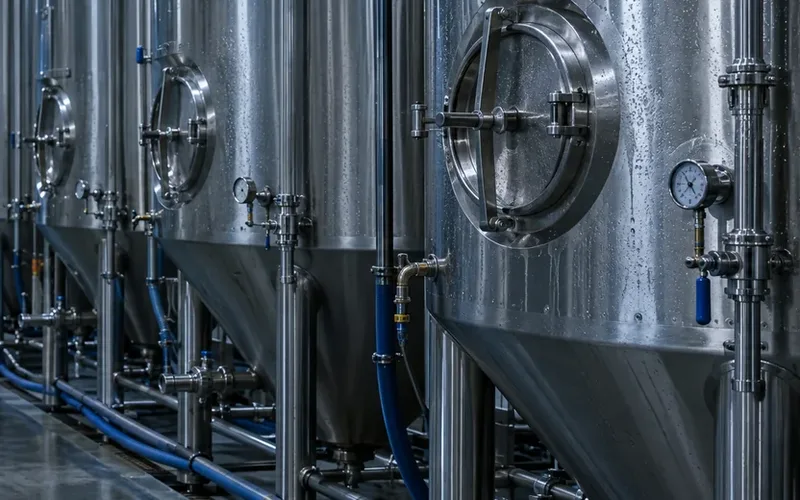
Plate & Frame
Brewing & Distilling
Two-stage wort coolers, liquor and mash heaters and stillage coolers for production breweries and distilleries, on 316L plates with wide-gap options for grain.
+ Learn More