
1-805-484-2992
Quotes - Engineering - SalesThe symbol is a design rule, not a sticker
What 3-A adds on top of a sanitary build
The 3-A symbol on a heat exchanger says the unit was built to the 3-A Sanitary Standard for tubular heat exchangers and that a third party verified it against the drawings. For the stainless build that turns a set of good practices into checkable requirements: product-contact surfaces of a 300-series stainless or a material shown to be at least as corrosion resistant; a finish of 32 µin Ra or smoother on every product surface, welds included; internal corners radiused rather than sharp; no threads, lap joints or screw heads where product can reach them; product channels that drain by gravity when the unit is installed as drawn; and gaskets of a compliant elastomer held in a groove that does not trap product.
What it does not do is pick the grade for you. Three hundred series covers 304L and 316L alike, and a dairy plant can meet the standard with either. We build 3-A units in 316L on the product side because the chlorinated sanitizer and the acid step in a daily CIP reach the pitting limit of 304 long before the product does, and a pit under the symbol is still a pit. The shell side, outside the product zone, is held to ordinary pressure-vessel practice in 304L.
3-A product contact calls for a 300-series stainless, and we build it in 316L rather than 304L because the sanitizer, not the milk, decides the grade. Grade limits are set out on Material & Construction.
The linked page below covers the standard in depth; here we cover the metal it asks for.
Shell & Tube Construction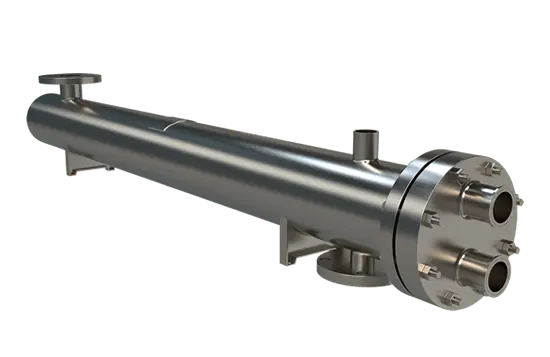
How a 3-A shell and tube differs from a plain sanitary one
The left column is the thing the standard governs; the right is how it comes out in the stainless build.
| Condition | Typical value |
| Product-contact alloy | 300-series stainless; 316L as built, dual-certified with MTRs |
| Surface roughness | 32 µin Ra or smoother on tubes, heads, ferrules and weld beads |
| Internal corners | Radiused, 1/4 in. minimum where product can reach |
| Tube-to-tubesheet joint | Welded flush and polished; no crevice, no expanded-only joint on product |
| Threads and fasteners | None in the product zone; tri-clamp ferrules through 4 in. |
| Drainage | Self-draining as installed; slope and low point shown on the drawing |
| Elastomers | Compliant EPDM or FKM in a groove sized so the gasket does not extrude into product |
| Cross-contamination | Double tubesheet with an open, inspectable gap, or an equivalent accepted means |
| Verification | Third-party verification against the drawings before the symbol is applied |
A voluntary US equipment standard, written by processors, regulators and builders, that sets materials, surface finish, radii, gaskets and cleanability for dairy and food equipment; a unit carries the 3-A symbol only after an independent inspection confirms the design conforms.
The 3-A build, part by part
Grade: why 316L under the 3-A symbol
The standard's material clause is a floor, and 304L clears it. The reason to clear it by more is the cleaning regime a dairy or food line runs everyday: a chlorinated rinse at a few hundred ppm, caustic at 160–185°F, an acid step, and sometimes a 250°F steam cycle. Chlorides, heat and a polished surface that must stay polished are the combination the 2–3% molybdenum in 316L exists for. It moves the typical pitting threshold from about 200 ppm to about 1,000 ppm, and it keeps the weld heat-affected zone, the one place a polished tube is weakest, from being the spot the auditor finds.
Surfaces: finish, welds and corners
Thirty-two Ra µin is the number, and under 3-A it applies to the weld beads as much as the parent tube, so every product weld is ground flush and polished back to the surrounding finish. Sharp internal corners are not allowed where product can sit; the heads are formed or machined with a radius, and the tubesheet face is dressed so the tube ends meet it without a step or a ledge. Threads, lap seams and exposed screw heads are kept to the utility side.
- Product welds ground flush, polished and dye-checked where specified
- Radiused heads and dressed tubesheet faces on the product path
- Finish measured with a profilometer and recorded per surface
- Passivation per ASTM A967 after the last polish, before verification
Drainage and the double tubesheet
The symbol requires that the unit drain when installed as its drawing shows, which is why we draw the slope and the feet together. A unit mounted level on the plant floor because the installer ignored the arrangement drawing is no longer a 3-A installation, whatever its nameplate says. Where a heating or cooling medium is not itself safe for product, the standard asks for a means to keep a tube-joint leak from reaching product; the double tubesheet with an open gap is the usual answer, and it also lets an inspector see a weep with a flashlight instead of a lab result.
The mistake: specifying the symbol, not the installation
A plant orders a 3-A shell and tube, mounts it on a mezzanine with the outlet ferrule 3 in. above the tube low point, pipes the product in with a threaded nipple because the pipe fitter had one, and fails its first regulatory inspection. The unit was right; the installation undid it. Send us the piping layout and the mounting height with the quote, and we will set the slope, the ferrule orientation and the support feet so that the drawing and the floor agree.
What engineers ask about 3-A
No. A unit can be 316L, polished to 32 µin Ra and tri-clamped and still not carry the symbol, because the symbol also governs corner radii, weld finish, gasket grooves, drainage as installed and third-party verification. If your customer or regulator asks for 3-A, write it on the spec; if they ask for sanitary without naming a standard, we will tell you what the difference costs.
The standard asks for a 300-series stainless or a material at least as corrosion resistant on product contact, so 304L meets the wording. We build in 316L because the daily sanitizer and acid steps, not the product, set the grade, and a pit under the symbol is a pit. If your line has no chlorinated step and a buyer insists on 304L, we will build it and say what we expect.
Yes, and many do, since the shell side is a pressure vessel whatever the product side is. The two sets of rules do not conflict: ASME governs the pressure boundary and the hydrotest, 3-A governs the product surfaces, joints and drainage. Specify both, and name which side is stamped, because the shell at 150 psig and the product side at a lower rating are often treated separately.
The verifier compares the fabricated unit with the drawings the symbol was issued against: alloy certifications for product-contact parts, finish measurements, corner radii, weld dressing, gasket design, the drainage path and the means of leak detection between fluids. They do not re-engineer the thermal design. Our job is to put those items on the drawing and in the inspection record so the verification is a comparison, not a search.
Related
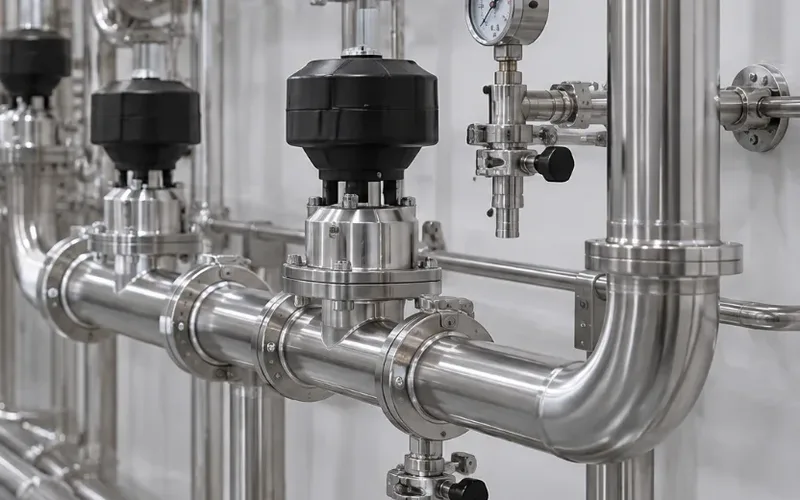
Shell & Tube
Pharmaceutical
WFI and purified water shell and tube units in electropolished 316L with a vented double tubesheet, BPE surface designations and full material traceability.
+ Learn More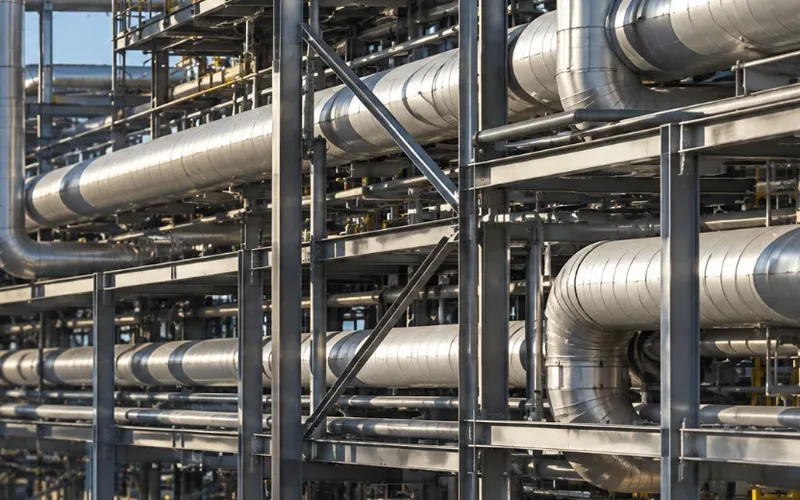
Shell & Tube
Industrial
Flanged, mill-finish shell and tube units for plant utility and process duty, with the shell in steel or stainless and the tubes in the grade the water demands.
+ Learn More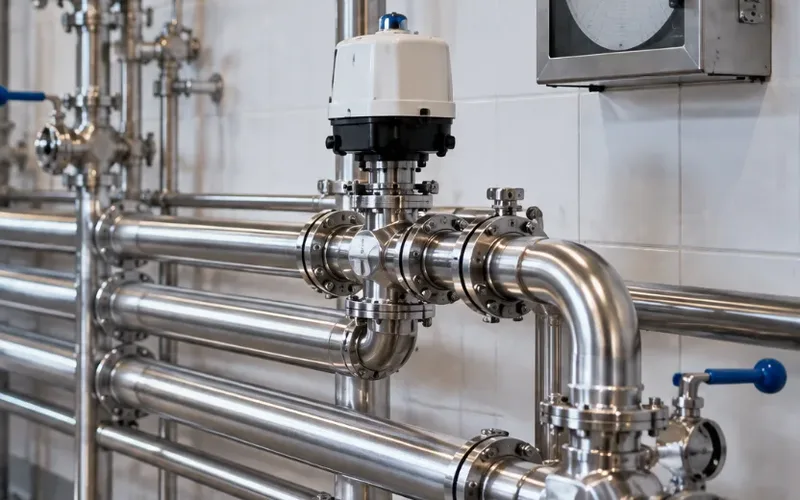
Shell & Tube
Sanitary
Shell and tube units whose product side is 316L, polished to 32 µin Ra, tri-clamped and sloped to drain, with a double tubesheet when the line cannot risk a leak.
+ Learn More
