
1-805-484-2992
Quotes - Engineering - SalesDesigning for both directions
A water-source or water-to-water heat pump in a commercial building, a process heat-recovery heat pump in a plant, or a ground-loop unit on a campus all share one problem: the refrigerant-to-water exchanger has to work in both directions. In heating mode it is a condenser, taking 150–180°F discharge gas and heating a loop to 120–140°F. In cooling mode the four-way valve reverses the circuit and the same block becomes an evaporator at 35–45°F, with liquid refrigerant entering through the port that was the liquid outlet a minute earlier. A brazed 316L plate unit does this well because the channels are symmetric and there is nothing inside that cares which way the flow runs.
What does care is the inlet distribution. A plate evaporator wants a distribution device in the refrigerant inlet to spread two-phase flow across the channels; a condenser wants a clear port so vapor fills the stack from the top. A reversible unit has to compromise, and the plate pattern, port diameter and distribution design are chosen for the harder of the two modes, usually the evaporating case at the lowest loop temperature. We need the capacity and conditions in both modes, not the nameplate tonnage, to select it.
The braze is copper on the HFC and HFO refrigerants that run most commercial heat pumps, and the water side is 316L, which handles treated loop water, glycol ground loops and process water. Two cases change the filler. A loop running deionized water, which some process and laboratory buildings do, leaches copper from the joints and takes a nickel-brazed unit. An industrial ammonia heat pump recovering waste heat to 180°F takes nickel braze without exception. In every case the exchanger is sized with a fouling margin of 10–25% excess surface on the water side, and the refrigerant side is rated 435–650 psig, with the margin at the hottest leaving water checked on every selection.
316L plates with copper braze for the HFC and HFO refrigerants in most commercial heat pumps; nickel braze on deionized loops and ammonia heat pumps. The Material & Construction page compares the grades.
Selecting a reversible plate unit
Heating mode
- Heat of rejection at design, with the hottest leaving water required
- Discharge temperature and subcooling at the condensing condition
- High-side pressure at the hottest water, checked against the rating
- Loop water rise, commonly 10°F, and the pump head available
Cooling mode
- Cooling capacity and the lowest evaporating temperature the unit sees
- Superheat the compressor needs and the expansion valve type
- Glycol percent on the loop if the evaporator can run below 40°F
- Freeze protection: flow switch, low-pressure cutout, freeze stat
Loop and braze
- Loop water analysis: treated closed loop, ground loop or process water
- Deionized water or ammonia moves the braze to nickel
- Port position so liquid drains in both modes
- Double-wall where the loop feeds potable or sanitary hot water
Typical heat pump plate exchanger build
A reversible refrigerant-to-water unit for commercial water-source and industrial heat-recovery heat pumps; the dedicated source-side and load-side units on a water-to-water machine follow the same rows.
| Feature | Typical build |
| Plate grade | 316L, dual-certified 316/316L |
| Braze filler | Copper for HFC and HFO; nickel for deionized loops and ammonia heat pumps |
| Refrigerant-side rating | 435–650 psig; CO2 heat pumps on a high-pressure plate |
| Heating mode | Condensing against loop water heated to 120–140°F |
| Cooling mode | Evaporating at 35–45°F against the same loop |
| Distribution | Compromise inlet design chosen for the evaporating case |
| Water side | 316L; fouling margin of 10–25% excess surface; glycol where the loop runs cold |
| Protection | Flow switch, low-pressure cutout, freeze stat; double-wall for potable loops |
Heat pump questions
Yes, that is how most reversible water-source heat pumps are built. The channels are symmetric so flow direction does not matter; the compromise is the refrigerant inlet, which wants a distribution device as an evaporator and an open port as a condenser. Give us the duty in both modes and we select a pattern that holds superheat in cooling without choking the condenser in heating.
The plate unit is good to 400°F, so the limit is the refrigerant and compressor. HFC and HFO heat pumps deliver 120–140°F water routinely and some reach 160°F; ammonia and CO2 industrial heat pumps go higher. At those temperatures the high-side pressure rises toward the 435–650 psig rating, so tell us the hottest leaving water and we check the pressure margin at that point.
It does. Propylene glycol at 20–30 percent raises the loop viscosity and lowers it's specific heat, so the plate count goes up for the same capacity, especially in cooling mode when the loop is cold. State the glycol type and percent and the coldest entering loop temperature; a unit selected on water will fall short on the glycol loop in winter.
Nickel. Deionized and reverse-osmosis water pulls copper out of a copper-brazed joint, which both weakens the braze over time and contaminates the water with copper ions. A nickel-brazed 316L unit keeps the loop copper-free. The pressure rating is somewhat lower than copper, which rarely matters on the water side but is worth checking on the refrigerant side.
On the load side when the heat pump makes domestic or sanitary hot water for a commercial building. Potable water codes generally require a vented double-wall exchanger between refrigerant and drinking water so a plate failure cannot contaminate the supply. The source-side exchanger on a closed loop stays single-wall. State what each loop serves and the quote will show the right construction.
Related
Brazed Plate
Hydronics
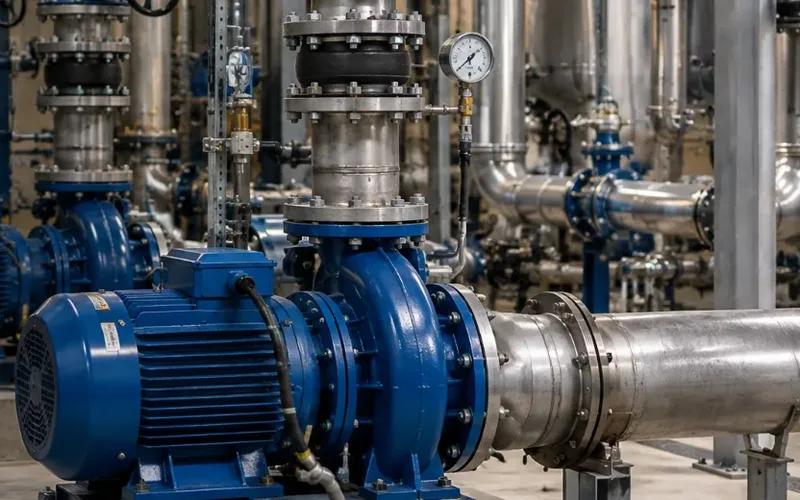
Commercial hydronic duty is clean water against clean water at modest temperature, a fit for a brazed 316L plate once the braze and the potable code are settled.
+ Learn More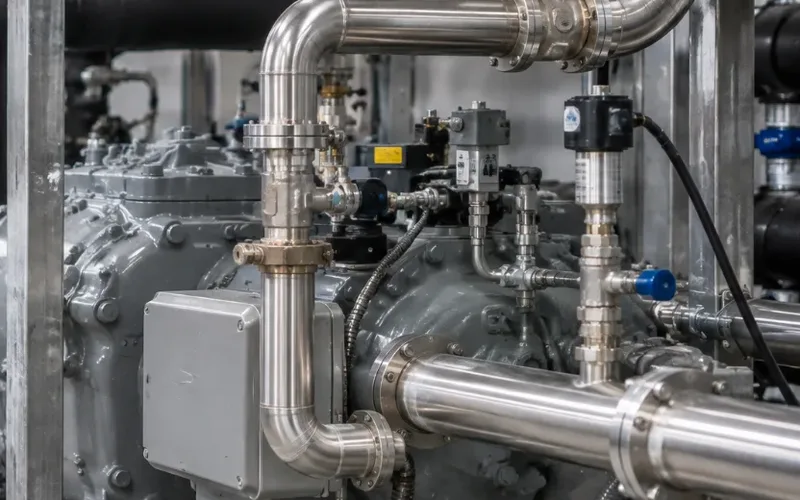
Brazed Plate
CO2
R-744 is a pressure problem, not a chemistry problem. The high-pressure brazed plate puts 316L and copper braze to work at ratings a standard plate cannot reach.
+ Learn More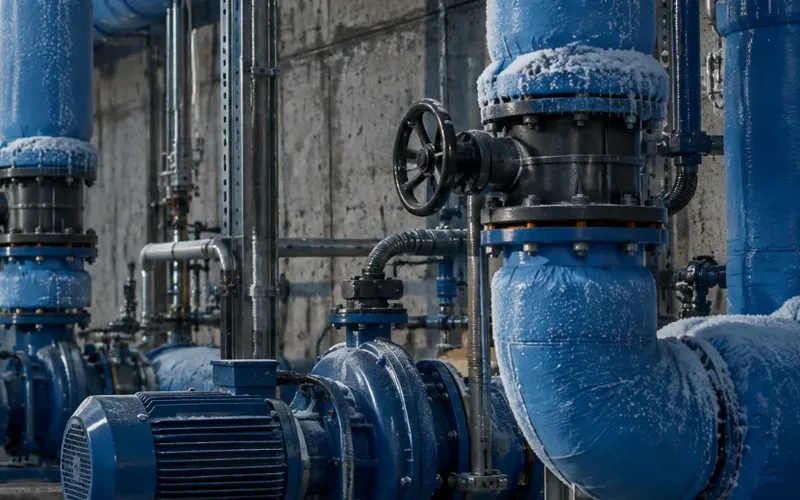
Brazed Plate
Fluid-to-Fluid
Liquid on both sides is the bread-and-butter brazed plate duty: copper braze on clean loops, with the chloride and strainer questions answered before the order.
+ Learn More