
1-805-484-2992
Quotes - Engineering - SalesIsolating a closed loop from open tower water
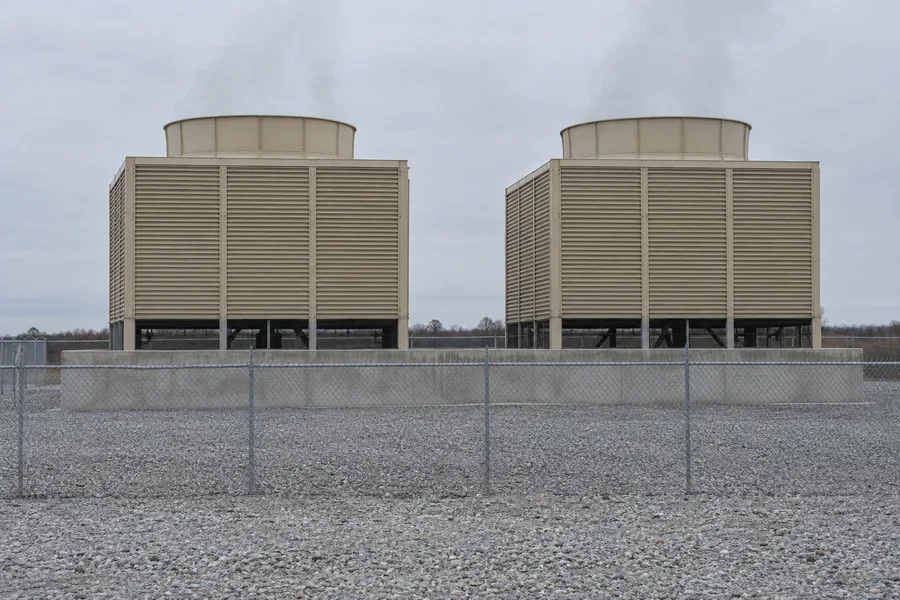
A cooling tower isolation exchanger sits between the open tower circuit and a closed loop, so the chilled water, process water or condenser water inside the building never sees the air, dirt, biocide and concentrated minerals that an open tower collects. The plate-and-frame is the usual construction because the duty is water to water with a small temperature difference: a waterside economizer wants the closed loop within 2–5°F of the tower supply so the chillers can shut down in cool weather, and a process isolation unit wants the same approach so the tower does not have to run colder than it can.
The material question is entirely on the tower side. Makeup water at 100–200 ppm chloride concentrates as the tower evaporates, and at 4–6 cycles a 150 ppm makeup can reach 600–900 ppm in the basin. That is inside the range of 316L plates at the 85–95°F a tower delivers, provided the water is treated and the plates stay clean. Reclaimed makeup, coastal drift, or a treatment program that pushes cycles past 6 takes the basin beyond 1,000 ppm, and that is where titanium plates replace 316L in the same frame.
The closed-loop side is the easy half: treated water or glycol that 316L plates handle without comment. A 304L plate pack has no place on either side of this duty.
316L plates hold on tower water to about 1,000 ppm chloride in the basin; above that, on reclaimed makeup or near the coast, the pack goes to titanium plates. Material & Construction explains how the grade is chosen.
What sets the plate grade on a tower isolation unit
- Basin chloride at full cycles, not the makeup analysis
- 316L to about 1,000 ppm at 85–95°F, titanium beyond that
- Fouling margin of 10–25% surface and an inlet strainer
The tower loop as it runs and the isolation unit we propose
The left column is the information a plant or building engineer usually has about the tower; the right column is the plate unit that follows. The number usually missing, the basin chloride at operating cycles, decides the plate grade, so ask the water treatment vendor for it first.
Tower isolation duty
- Tower side: Open tower water at 85–95°F supply, 5–10°F range, 100 to 3,000 gpm
- Closed side: Chilled water, process water or 30% glycol; approach of 2–5°F wanted
- Chloride: Makeup 100–200 ppm, basin about 400–1,200 ppm at 4–6 cycles
- Treatment: Scale and corrosion inhibitor, oxidizing biocide at 0.5–1 ppm residual
- Fouling: Silt, biofilm and scale; 10–25% surface margin on the tower side
- Pressure: 150 psig closed loop; tower side at pump head, 30–60 psig
Isolation unit we recommend
- Plates: 316L to 1,000 ppm basin chloride; titanium Grade 2 above that
- Gaskets: NBR or EPDM, clip-on, to 230°F or 300°F; both far above tower duty
- Frame: Painted carbon steel indoors, 150 psig; clad frame outdoors or in a wet pit
- Connections: 150 lb flanged, 4 in. to 12 in., tower ports on the fixed head
- Protection: Basket strainer at 1 mm mesh on the tower inlet; gauges on both sides
- Send us: Both flows, four temperatures, basin water analysis, cycles, pump heads
Sample the basin
chloride at the cycles the tower runs
Pick the plate
316L or titanium against basin chloride
Set the approach
economizer season sets how close plates run
Guard the inlet
a strainer and cleaning plan for the tower side
Grade, approach and fouling on tower water
Reading the tower water for the plate grade
A tower concentrates whatever is in the makeup. Chloride does not scale out, so it rises in proportion to cycles: 150 ppm makeup at 5 cycles is 750 ppm in the basin, and a program that runs 8 cycles to save water puts the same tower at 1,200 ppm. The 316L limit of about 1,000 ppm assumes near-neutral pH, 85–95°F and a clean plate; a biofilm or silt layer creates an under-deposit cell where chloride concentrates far beyond the bulk figure, which is why the fouling program matters as much as the analysis. Titanium Grade 2 plates resist the chloride levels a tower normally reaches and are the answer when the basin figure, the makeup source or the site is in doubt.
- Basin chloride equals makeup chloride times cycles of concentration
- 316L plates to about 1,000 ppm; titanium plates from there up
- Reclaimed or seawater-influenced makeup is titanium from the start
Approach and the economizer season
A waterside economizer earns its hours in the approach. With the tower delivering 50°F water on a 42°F wet bulb, a plate pack at a 2°F approach supplies 52°F to the chilled loop and the chillers stay off; a pack sized at a 5°F approach supplies 55°F and the chillers run on the same day. Each degree of approach costs plates, roughly 50% more surface going from 3°F to 2°F at the tight end, and buys hours of free cooling every spring and fall. We size economizer packs at 2–3°F and process isolation packs at 3–5°F, and state the plate count at each.
The mistake: sizing the plates on the makeup water
A plant specified 316L plates on a tower isolation unit using the city water analysis, which showed 180 ppm chloride. The tower ran at 6 cycles, which put the basin near 1,100 ppm, and the treatment program later switched to a reclaimed makeup at 400 ppm to cut the water bill. Within eighteen months the plates were pitting under silt at the inlet corners and the closed loop was picking up tower water. The plates were replaced in titanium and the frame was kept. The basin analysis at operating cycles sets the plate grade, and a change in makeup source is a change in exchanger specification.
- Ask the treatment vendor for basin chloride, cycles and pH, not the tap-water sheet
- Record a maximum cycles setting on the specification
- A makeup source change means a re-check of the plate grade
Keeping the plates clean on an open circuit
An open tower is a scrubber for the air around it, and the plate pack is the finest strainer in the circuit. A basket strainer at 1 mm mesh on the tower inlet stops the fill fragments, leaves and shell pieces that bridge the first channels; a fouling margin of 10–25% excess surface covers the silt and biofilm the strainer passes. Pressure gauges across the tower side tell the operator when to backflush, and isolation valves let the pack be flushed in place. On towers with a biofilm history, specify room for 20–30% more plates and a chlorine residual held at 0.5–1 ppm, which 316L and titanium both accept.
Questions on chloride water
Softening swaps calcium for sodium and leaves chloride untouched, so a softened makeup still concentrates in the tower, and because scale no longer limits the cycles the treatment program often runs higher. Check the basin chloride at the cycles actually run. Many softened-makeup towers sit at 1,000–1,500 ppm, which is titanium territory for a 0.5 mm plate, where a 316L plate can pit at the gasket corners.
Chlorine or bromine held at a 0.5–1 ppm free residual is within what 316L tolerates at tower temperture, and titanium is highly resistant to it at normal doses. The damage comes from shock dosing, where a slug of hypochlorite at 10–20 ppm sits in a stopped plate pack over a weekend. Keep the tower pump running during a shock, or isolate and flush the pack first, and the plates see only the residual.
Yes, and it usually is. The summer case carries the larger duty at a wider approach; the economizer case carries a smaller duty at a 2–3°F approach with much colder water. The plate count is set by whichever case needs more surface, often the economizer, and the chevron mix is set so the summer flow stays within the pressure drop the tower pump can give. Send both cases.
The closed side is normally held at the higher pressure, so a pitted plate pushes clean closed-loop water into the tower and the first sign is makeup to the closed loop and inhibitor loss. If the tower side runs higher, tower water enters the closed loop with silt and biocide in it. Either way the plate is found by opening the frame and light-testing the pack; a titanium pack takes chloride pitting off the list on tower duty.
Related
Plate & Frame
Aseptic
316L plate sections for HTST and indirect UHT lines, specified around the gasket limit, daily pre-sterilization and the pressure that keeps product liquid at 285°F.
+ Learn More
Plate & Frame
Brewing & Distilling
Two-stage wort coolers, liquor and mash heaters and stillage coolers for production breweries and distilleries, on 316L plates with wide-gap options for grain.
+ Learn More
Plate & Frame
Food Processing
Multi-section plate pasteurizers for broths, sauce bases, brines and dressings, with the plate grade checked against the salt in the product.
+ Learn More