
1-805-484-2992
Quotes - Engineering - SalesPlate exchangers for process and utility duty
An industrial plate exchanger is the unit in the mechanical room that nobody notices until it is opened: a painted carbon steel frame, a pack of 316L plates and a gasket compound chosen for the fluid, cooling a glycol loop, a hydraulic power unit, a quench tank, an extruder barrel circuit or a compressor jacket against plant water. The frame is the cheap part. The plates and gaskets are where the duty is won or lost, so this page is about those two choices and the operating conditions that drive them.
The duties we see most are liquid to liquid between 40°F and 250°F, with one side a utility such as tower water, chilled water or 30–50% glycol, and the other side a process fluid that may be water, a water-glycol mix, a mineral or synthetic oil, a weak caustic or a rinse stream. The plate pack runs at 150 psig design on the standard frame and 300 psig to order, with the pressure drop set by the chevron mix rather than by the frame.
A painted frame is right for a dry, indoor process area. Where the exchanger stands outdoors, on a wet floor or beside a caustic wash station, we move to a stainless clad frame or coat the carbon steel for the environment, because a rusting frame is the usual reason an otherwise sound plate pack gets scrapped.
316L plates on carbon steel frames for process and utility water, with titanium plates substituted where the cooling water carries more than 1,000 ppm chloride. The Material & Construction page compares the grades.
Three checks before an industrial plate pack is sized
- Chloride in the cooling water, under 1,000 ppm for 316L
- Oil on either side moving the gasket to NBR, solvents to FKM
- Allowable pressure drop on each side, usually 5–10 psi
The duty as the plant runs it and the unit we propose
The left column is what a plant engineer usually knows when the request comes in; the right column is the plate unit that follows from it. The gap between the two is the chemistry: what else is in the water, what the oil is, and whether the exchanger will ever see a cleaning acid.
Typical industrial duty
- Process side: Glycol, oil, quench water, weak caustic, 100–250°F in
- Utility side: Tower water, chilled water or well water, 40–95°F in
- Flow range: 20 to 3,000 gpm per side on one frame
- Pressure drop: 5–10 psi allowed on each side
- Fouling: Margin of 10–25% surface, set by the water and the oil
- Duty cycle: Continuous, with seasonal swings in utility temperature
Plate unit we recommend
- Plates: 316L, 0.5–0.6 mm, chevron mix set to the pressure drop
- Gaskets: NBR for oil and water to 230°F; EPDM for hot water to 300°F
- Frame: Carbon steel, epoxy painted, 150 psig; 300 psig frame to order
- Connections: 150 lb flanged or studded ports, utility side strainer upstream
- Spare capacity: Frame bar cut for 20–30% more plates
- Send us: Both flows, four temperatures, water analysis, oil grade, pressure limits
Analyze the water
chloride, solids and the strainer ahead of the pack
Name both fluids
oil, glycol or water sets the gasket
Set pressure drop
allowable loss per side fixes plate count
Leave service room
space beside the frame to pull plates
What decides an industrial plate selection
Oil cooling: gasket first, then the plates
Hydraulic oil, lube oil and quench oil are the process fluids that trip up a plate exchanger. Mineral oil swells EPDM, so an oil cooler gets NBR gaskets to about 230°F or FKM where the oil runs hotter or is a synthetic ester. The oil side also has a viscosity of 30–100 cSt at the inlet, which pushes it into laminar flow in a normal chevron channel; we size the oil side with a steeper plate and accept more pressure drop there to keep the coefficient up. A 316L plate is right for the oil side regardless of grade, because the corrosion risk sits on the water side.
- NBR for mineral oil to 230°F, FKM for synthetics and hot oil
- Oil pressure drop allowance of 10–15 psi buys a smaller frame
- Water side 316L, plates checked for chloride on the water analysis
Glycol loops and closed process water
A closed glycol loop is the easiest duty for a plate pack: inhibited 30–50% propylene or ethylene glycol, no makeup water, no oxygen, so 316L plates and EPDM gaskets run for years. The sizing point is the glycol itself: at 30°F a 40% propylene glycol solution has about four times the viscosity of water and a lower specific heat, so the glycol side carries 30–40% more plate surface than a water duty at the same tonnage. We size on the glycol concentration you actually run, not the nominal mix, and we ask for it in weight or volume percent.
The mistake: a plate pack on unfiltered water
The failure we are asked to fix most often on industrial plate units is not corrosion but blockage. A plate channel is a few millimeters wide and the gasket corners strain anything in the water, so a 316L pack fed from a river intake or an open tower without a strainer plugs on the inlet plates within weeks, the pressure drop climbs, the flow falls and the process side runs hot. The pack looked fine on the drawing; the water was never described. A basket strainer at 1 mm mesh on the utility inlet, or self-cleaning filtration where the water is dirty, is part of the installation and we state it on the quotation.
- Strainer on every open-loop utility inlet, 1 mm mesh or finer
- Pressure gauges on both sides to watch the pack fouling
- Isolation valves and drains so the pack can be back-flushed in place
Frame, feet and service room
A plate exchanger opens by backing off the tie bolts and sliding the follower along the carrying bar, so it needs clear floor space on the follower side equal to the plate pack length plus the follower, and headroom to lift plates out. The painted carbon steel frame sits on leveling feet; on a wet floor the feet rust first, so we supply stainless feet and tie bolts on request even under a painted frame. Where the pack will be opened for cleaning on a schedule, specify clip-on gaskets rather than glued, because a glued gasket takes the plate out of service while the adhesive cures.
Questions from plant engineers
Yes, as long as both duties are given to us at sizing. A plate pack is a counterflow exchanger and runs either direction, but the gasket compound has to cover the hotter of the two cases and the plate count has to satisfy the harder of the two duties. Usually the winter heating case with a low-temperature utility sets the surface, and the summer cooling case sets the gasket.
Because the plate is 0.5–0.6 mm thick and pits through long before a tube would. We need chloride, pH, hardness and whether the water is treated. Under 1,000 ppm chloride at normal temperature, 316L plates are usually the answer; tower water that cycles higher, well water with brine intrusion or a stream of more than a few hundred ppm chloride above 140°F pushes us to titanium plates in the same frame.
No. The frame never touches either fluid; the only wetted parts are the 316L plates, the gaskets and the port liners, which are stainless or rubber-lined on the fixed head. The frame is a corrosion risk only to itself, and only where it is wet, which is why outdoor, wash-down and coastal sites get a stainless clad frame or a heavier coating specification on the carbon steel.
Because a plate exchanger converts pressure drop into heat transfer: limiting the water side to 2 psi can roughly double the plate count, compared with a 5–10 psi allowance, for the same approach. Allow 5–10 psi if you can. If the plant pump has no margin, tell us the head available and we select a low-theta plate pattern that passes the flow, then make the approach up with surface rather than velocity.
Related
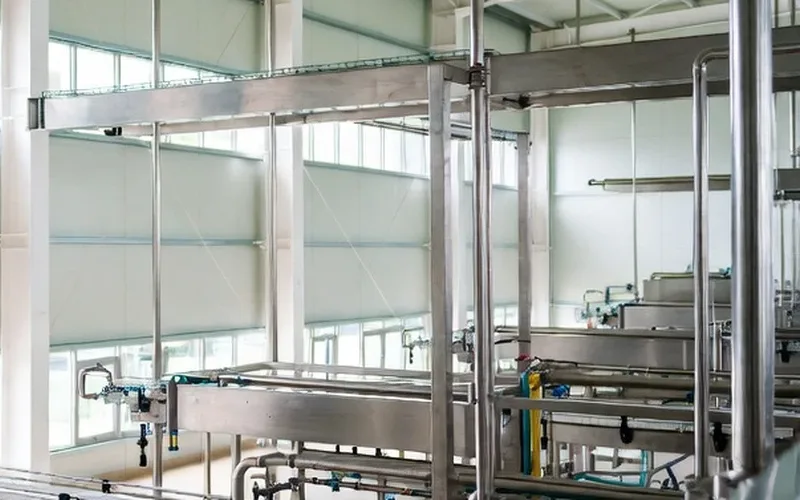
Plate & Frame
Sanitary
316L plate packs on stainless clad or solid frames with tri-clamp ports and food-contact gaskets, built to drain and to survive daily CIP.
+ Learn More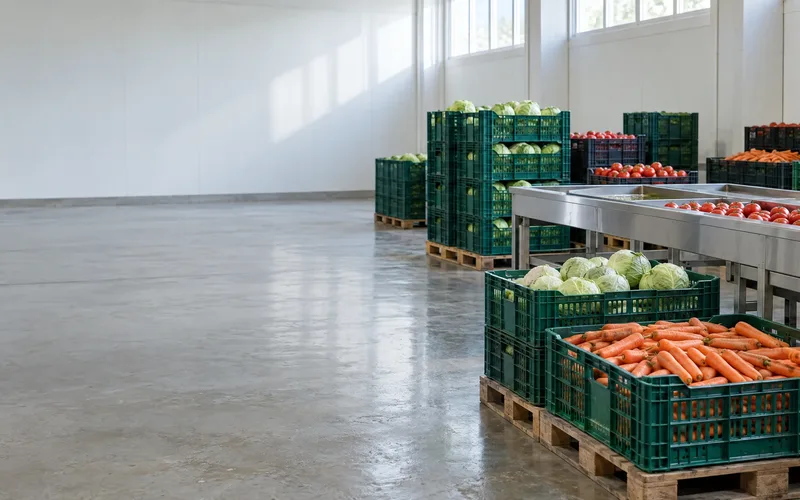
Plate & Frame
Food Processing
Multi-section plate pasteurizers for broths, sauce bases, brines and dressings, with the plate grade checked against the salt in the product.
+ Learn More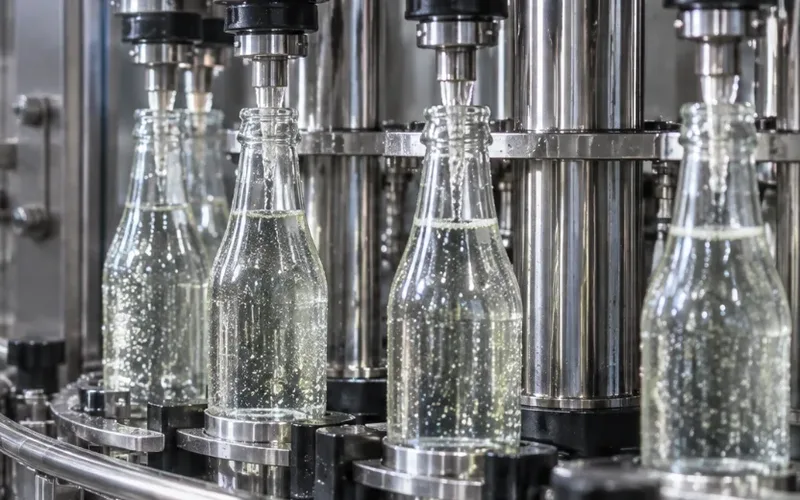
Plate & Frame
Beverage
Plate pasteurizers and chillers for juice, syrup, carbonated water and finished soft drinks, with acid, sugar and citrus oil driving the gasket choice.
+ Learn More
