
1-805-484-2992
Quotes - Engineering - SalesProduct tube grade
What 316L does in a tube-in-tube, part by part
In a tube-in-tube unit the grade decision splits in two. The inner tube carries product on its bore and utility on its outside, so it is wetted by both fluids and takes the full heat flux; the outer tube, the annulus crossovers and the jacket nozzles see only the utility. 316L is the standard for the inner tube, its return bends and the product ferrules because its 2–3% molybdenum resists the pitting that salt, acid and chloride-bearing rinse water start, and its 0.03% maximum carbon keeps the orbital butt welds and the closure welds at each end from sensitizing. Tubing is dual-certified 316/316L, so one tube satisfies a drawing that calls either grade.
That covers most of what runs through a stainless double pipe unit: milk and cream with about 1,000 ppm chloride processed hot and cleaned daily, tomato products near pH 4.3, fruit purees, dressings with vinegar, liquid egg, lightly salted sauces and the milder sludges. The limit comes from a combination rather than one figure: chloride, heat on the tube wall, low pH and a deposit left sitting. Above roughly 140°F metal temperature, chloride stress corrosion cracking becomes a risk for 316L, and on a steam-heated wall the chloride it can tolerate falls to a few hundred ppm.
Bore, single or multi-tube and corrugation are construction choices covered on the type page; this page is about the metal in each part.
The product tube and return bends are 316L for molybdenum and low-carbon welds; the annulus can be 304L on clean utility, and hot brines move to 2205 or 6-moly. Material & Construction explains how the grade is chosen.
The inner tube is wetted on both faces and sets the grade
A 316L product tube with 2–3% molybdenum and 0.03% carbon maximum, a 304L annulus where the utility is clean, and a review for duplex once hot product carries more than about 3% salt.
What the product and the cleaning do to the tube
Salt is the chloride most food plants forget to count: every 1% of salt in a product adds about 6,000 ppm chloride, so a 3% brine sits near 18,000 ppm. 316L still runs many salted products hot because contact is short, the product flows, and daily CIP removes the film before it concentrates. Above about 3% salt at cooking temperature the product side is reviewed for 2205 duplex, 6-moly or higher. Acidity works the same way: tomato and vinegar are routine for 316L until salt and heat join them.
The cleaning program is the other half of the chemistry. Caustic at 160–185°F and nitric or phosphoric acid rinses are routine on 316L. The risk is chlorinated sanitizer: hypochlorite at the usual 200 ppm no-rinse level is applied cool and drained, but the same solution heated or left standing in a bend over a weekend can pit the bore. Rinse water counts too; a softener regenerating badly can push its chloride well above the incoming supply.
Building each part in 316L
The inner tube is sanitary 316L tubing, commonly 0.065 in. wall in the 1–3 in. sizes, with a 32 Ra µin bore where product contact calls for it. Return bends and ferrules match the tube grade and finish. Product-side ratings of 150–300 psig are usual. Welds are orbital and autogenous with inert backing gas, because the heat tint left by a poorly purged weld is a weakened oxide where pitting starts first; any tint is removed by pickling and passivation before the unit ships.
The annulus can be 304L when it carries steam, condensate, glycol or treated hot water, and that saves cost on the largest tube in the unit. It goes to 316L when the utility is tower water or anything with real chloride. The outside of a hot outer tube matters as well: wet insulation that leaches chloride can crack 304L and 316L from the outside above about 140°F, so specify chloride-free insulation under a sealed cladding.
What to send to settle the grade
Grade questions are answered with analysis figures rather then product names. These items let us confirm 316L or tell you early that a section needs more.
- Product chloride in ppm, or salt percentage, with pH and the vinegar or acid content
- Highest product temperature and the utility: steam pressure or hot water temperature
- Annulus fluid and its water analysis if it is tower or well water
- CIP chemicals, their temperatures, and the sanitizer used and how long it stands
- Any owner standard that fixes grade, finish, MTRs or 3-A where specified
- Insulation and cladding planned for the outer tube on hot duty
Call and talk it through with an engineer: 1-805-484-2992
Questions on the 316L build
On a plain milk duty some plants run 304L, and it works while chloride stays low. On a line that also sees sauces, vinegar or salted product, the cost difference on the inner tube is small next to the pitting margin molybdenum buys. We quote a 316L product tube as standard and 304L only where the owner's standard calls for it and the chemistry supports it.
It can. Steam at 50 psig condenses at 298°F, so the tube wall runs close to that, well above the 140°F zone where 316L can crack with chloride and stress. A hot water loop at 200°F keeps the wall cooler, cuts burn-on and widens the chloride margin. On salted or brined product we prefer hot water heating, or move the hottest sections to duplex.
Lightly salted products processed hot with daily CIP are normal practice on 316L. Once salt passes about 3%, roughly 18,000 ppm chloride, at cooking temperature, we review the product side for 2205 duplex, 6-moly or higher, taking pH, wall temperature and shutdown practice into account. A cooler at 60°F handling the same product tolerates far more than the heater upstream of it.
As the order requires: mill test reports for tube, bends and ferrules with heat numbers traceable to each part, weld records, a hydrotest certificate, surface finish readings, and passivation records. 3-A, ASME stamping or CRN registration apply where specified on the order, not by default. Ask for traceability at the quote stage, because it is far simpler to build in than to reconstruct.
Related
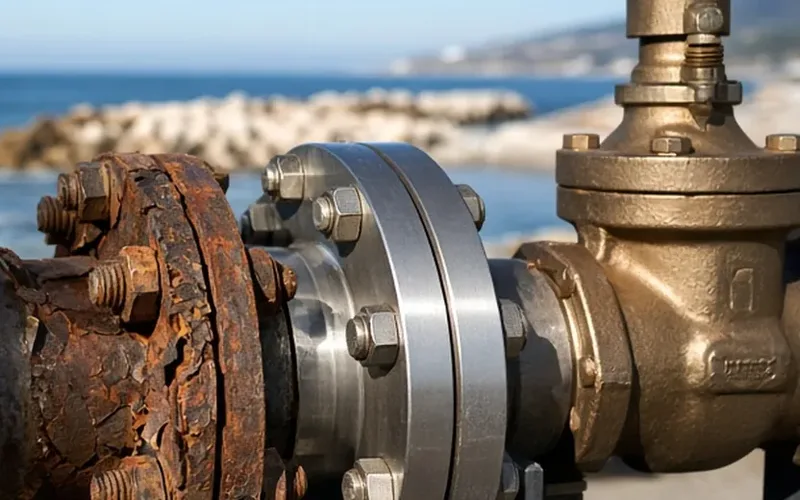
Tube-in-Tube
Duplex & High Alloy
Brine, salted sauce at cooking heat and chloride effluent push past 316L. How 2205 duplex and 6-moly product tubes are chosen, welded and rated.
+ Learn More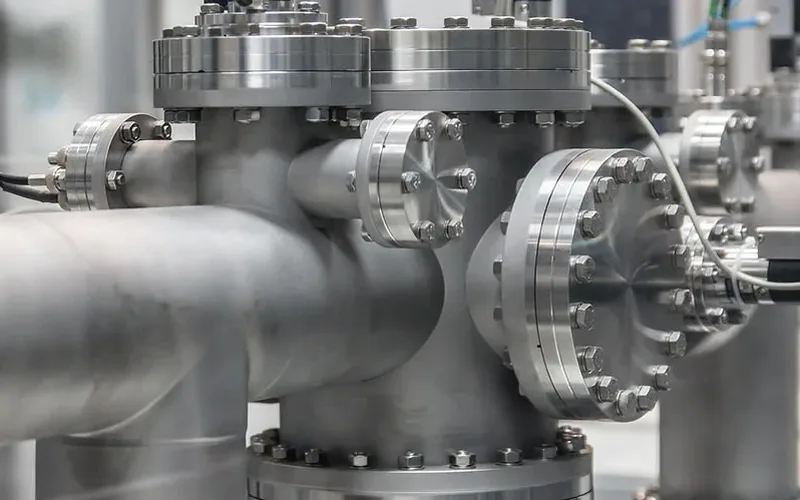
Tube-in-Tube
Polished & Electropolished
Ra on the bore of a long product tube is set at the mill, at the weld and at the bend. What to specify for sticky, viscous and aseptic products.
+ Learn More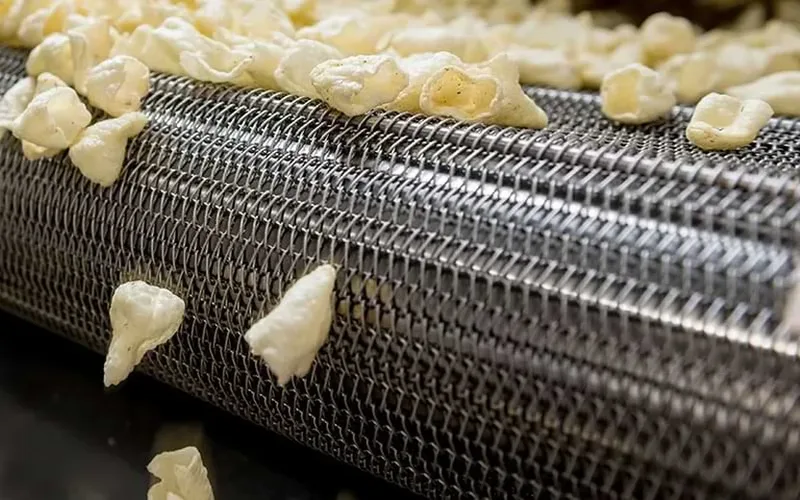
Tube-in-Tube
Solids in Suspension
Pieces, chunks and grains carried in a liquid need a bore they cannot bridge and a velocity that keeps them moving. Here is how the tube is chosen.
+ Learn More
